
Category
AI & Engineering
Perspectives on building AI products, data and domain advantages, engineering talent, and turning internal tools into production-grade platforms.
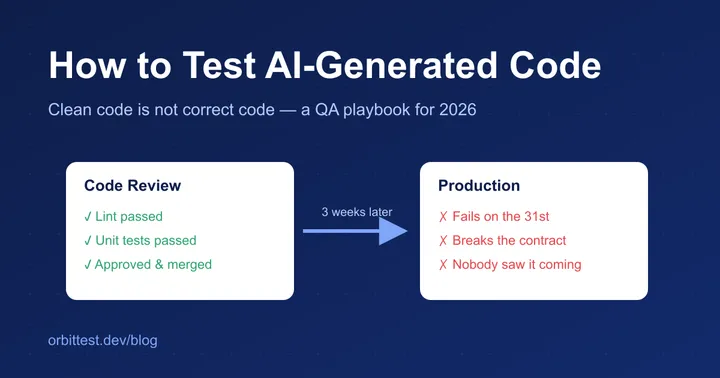
How to Test AI-Generated Code: A QA Guide for 2026
AI-generated code looks clean and passes review — then fails at boundaries and integrations. A QA playbook for how to test AI-generated code in 2026.
Read article →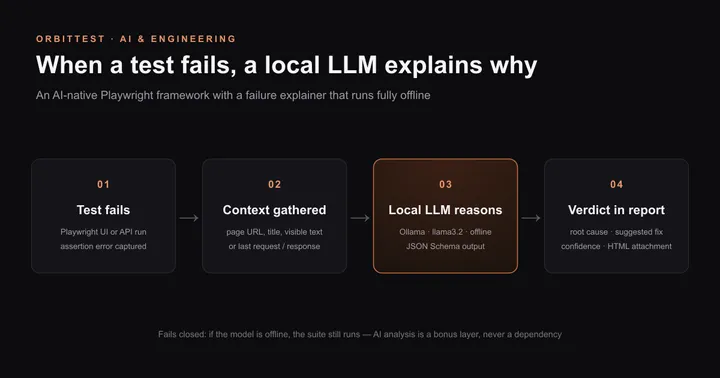
AI-Native Test Framework: Playwright + a Local LLM That Explains Failures
Build an AI-native Playwright test automation framework: prompt-engineered Gherkin test cases, plus a local Ollama LLM that explains every failure inside the HTML report — no API key needed.
Read article →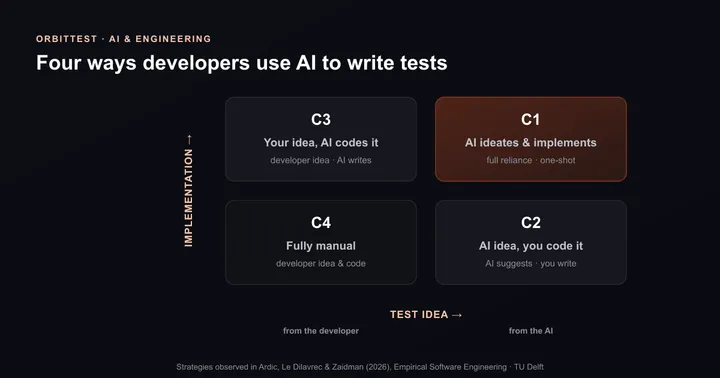
Generative AI for Software Testing: What a Study Found
A study of developers writing unit tests with ChatGPT: the four AI strategies, one-shot vs iterative prompting, and why AI gets ideas right but assertions wrong.
Read article →